
Set up a company in China: WFOE registration, joint venture and representative office
Setting up a company in China is the step that turns occasional exports into a stable presence: you invoice in yuan, hire local staff, import under your own licence and hold your trademarks and registrations in your own name. OCCHE manages the whole process, with its own team in Qingdao and the support of the Foreign Affairs Office of the Qingdao Municipal Government.
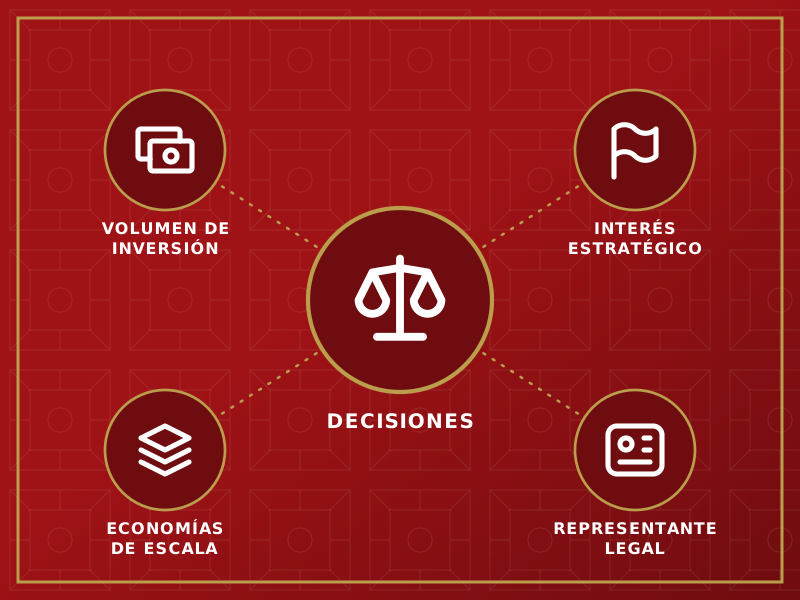
Which legal form suits you: WFOE, joint venture or representative office
- WFOE (Wholly Foreign-Owned Enterprise, 外商独资企业). A limited liability company with 100% foreign capital. It is the usual vehicle for trading, providing services or manufacturing in China with full control over management and profits. It can be a trading, consulting or manufacturing WFOE.
- Joint venture (合资企业). A company with a Chinese partner. It makes sense when the partner brings licences, a distribution channel or access to a sector restricted for foreign investment. It requires a very carefully drafted shareholders' agreement.
- Representative office (代表处). It has no separate legal personality and cannot invoice or sign commercial contracts: it serves to study the market, coordinate suppliers and support the parent company. It is simpler to open, but limited in scope and with its own tax treatment.
Since the Foreign Investment Law came into force in 2020, foreign-invested companies are governed by the same Company Law as Chinese ones. Sector restrictions are concentrated in the negative list for foreign investment, which we review before proposing a structure.
The steps to set up a company in China
- Structure design. Legal form, city and district of registration, business scope, shareholders, registered capital and governing bodies.
- Parent company documentation. Companies Registry certificates, articles of association, identity of the legal representative and directors, bank reference letter. All apostilled and with a sworn translation into Chinese.
- Name reservation in Chinese with the local Administration for Market Regulation (AMR).
- Company registration and issue of the business licence (营业执照) with the 18-digit Unified Social Credit Code (USCI), which identifies the company before every authority.
- Company seals (公章, finance seal, legal representative seal and invoice seal), engraved by authorised workshops and registered with the Public Security Bureau. In China the seal binds the company: its custody is a matter of corporate governance.
- Opening bank accounts: a foreign-currency capital account to receive the contribution and a basic account in yuan to operate.
- Tax and administrative registrations: registration with the tax authority, foreign exchange control, social security and housing fund for employees, and sector licences if the activity requires them (food, import and export, cosmetics).
Registered capital, legal representative and basic taxation
Registered capital. This is the amount the shareholders undertake to contribute and it appears on the licence. There is no general legal minimum, but it must be consistent with the activity: the bank, suppliers and the authorities themselves read it as a sign of solvency. The revised Company Law, in force since July 2024, requires subscribed capital to be paid in within a maximum of five years from incorporation.
Legal representative. The individual who binds the company with their signature and answers for it before the authorities. They may or may not be resident in China. Alongside them, the directors and a supervisor are appointed. OCCHE explains the responsibilities of each role before you decide who takes them on.
Basic taxation. Corporate income tax at a general rate of 25%, with reduced regimes for small businesses and incentivised sectors; VAT at a general rate of 13% for most goods and lower rates for services; withholding tax on dividends repatriated to the parent, mitigated by the applicable double taxation treaty (Spain-China in the case of Spanish parent companies). Accounts are kept in Chinese under Chinese accounting standards, with monthly closings and an audited annual return.
Indicative timelines
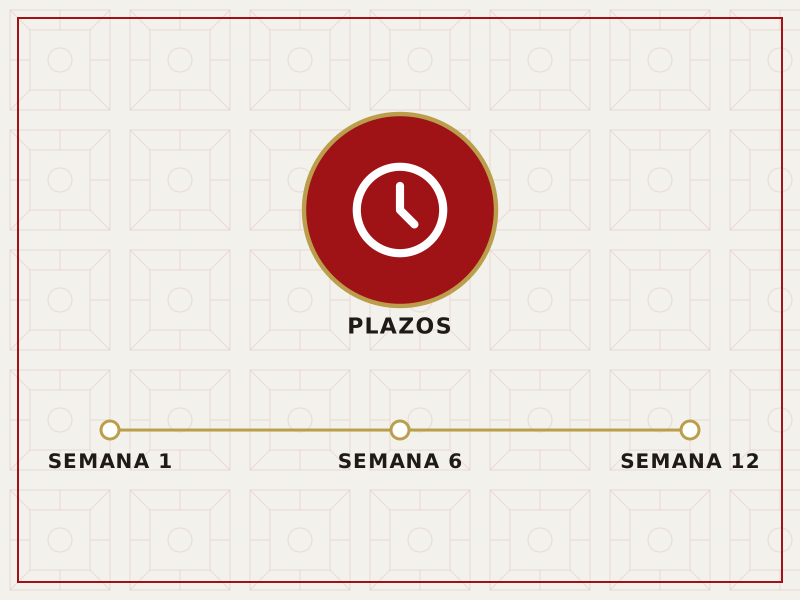
The total timeline depends on the city, the sector and, above all, how quickly the parent company gathers and legalises its documentation. As a guide, a trading or consulting WFOE without special licences is usually operational, with licence, seals and bank account, within weeks to a few months once the file is complete. Manufacturing or regulated activities (food, cosmetics, medical devices) add sector licensing phases. In our proposal we set out the phase-by-phase calendar for your case.
What OCCHE brings
- Institutional support in Qingdao. OCCHE's relationship with the Foreign Affairs Office of the Qingdao Municipal Government and of Shandong province smooths administrative procedures with the various bureaus and clears blockages that are opaque from outside.
- Our own team on the ground. Filing of applications, collection of licences and seals, accompaniment to the bank and liaison with the local accounting firm.
- One adviser in your language. You know at every moment which stage your file is at, which document is missing and which signature is needed.
- Continuity. After incorporation, we support you with trademark registration, product registration, hiring staff and day-to-day import and export operations.
Frequently asked questions
How much does it cost to set up a company in China?
It depends on the legal form, the city, the business scope and the sector licences. Costs include legalisation and sworn translation of the parent company's documentation, official fees, seals, registered address and the monthly accounting firm. OCCHE gives you a fixed quote broken down by phases before starting.
How long does it take to register a WFOE?
As a guide, from several weeks to a few months once the apostilled and translated documentation is complete, depending on the city and the sector. Regulated activities require additional licences that lengthen the calendar.
Do I need a Chinese partner to open a company in China?
Not for most trading, service and manufacturing activities: a WFOE can be 100% foreign-owned. Only the sectors listed in the negative list for foreign investment require a local partner or are closed.
What are the business licence and the USCI?
The business licence (营业执照) is the document that proves the legal existence of the company in China. It includes the Unified Social Credit Code (USCI), an 18-digit identifier that serves at once as registration number, tax number and identification before every authority.
I want to set up my company in China
Request a quote HERE