
Trademark and patent registration in China
In China a trademark belongs to whoever registers it first, not to whoever uses it. That is why registering your trademark with the CNIPA is the first step of any project with China, before sending samples, opening an online store or signing with a distributor. OCCHE manages trademark and patent registration in China directly, through authorised agents, with follow-up from Qingdao.
Why register your trademark in China as early as possible
The Chinese trademark system follows the first-to-file principle. If a third party registers your trademark before you do, they can block your imports at customs, demand compensation to assign it to you or sell product under your name. Recovering it afterwards is possible, but long and expensive. A registration in the EU, the UK or any other country does not protect you in China.
The competent body is the CNIPA (China National Intellectual Property Administration), which in 2018 absorbed the former Trademark Office, the CTMO. The application can be filed directly with the CNIPA or by designating China in an international trademark under the Madrid System; OCCHE recommends the most suitable route according to your classes, your timeline and your presence in other markets.
The Chinese-character trademark
Even if you register your Latin-script trademark, consumers, distributors and platforms will call it by a Chinese name. If you do not choose and register it, the market or a competitor will. That is why we always recommend registering two trademarks: the original name and its Chinese-character version, created by phonetic transliteration, by translation of meaning or by a combination of both, and checked to avoid negative connotations in the main dialects.
Nice classes and Chinese subclasses
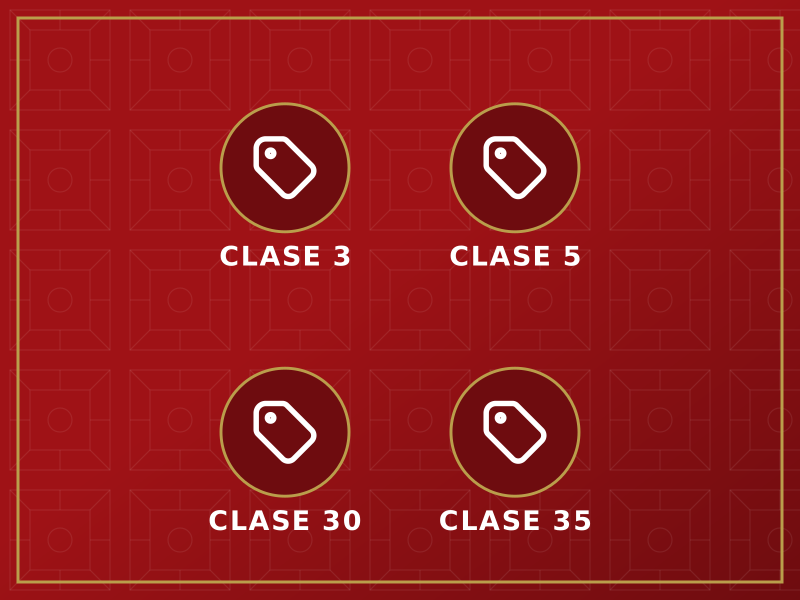
China uses the international Nice Classification, but the CNIPA divides each class into subclasses with its own similarity criteria. Two products in the same class can be considered dissimilar if they fall into different subclasses, and a poorly planned filing leaves gaps that others exploit. OCCHE defines the coverage with the level of subclass detail your product needs, including defensive classes (for example, class 35 for retail and online sales).
Procedure and indicative timelines
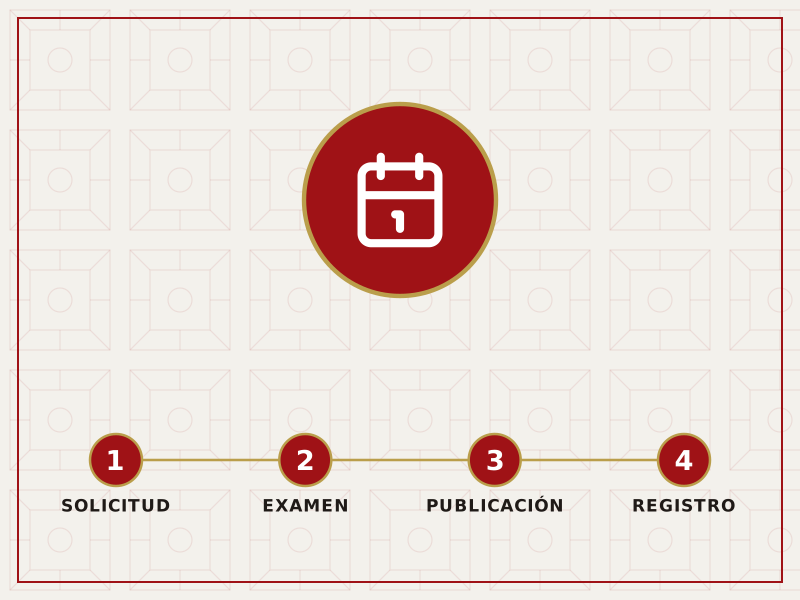
- Prior search for identical or similar trademarks in the CNIPA database, in Latin script and in Chinese characters.
- Filing of the application with a power of attorney from the owner, classes and subclasses and, where applicable, a priority claim.
- Formal and substantive examination. The Trademark Law sets a maximum of nine months for examination.
- Publication and a three-month opposition period.
- Grant and issue of the certificate. Without incidents, the whole process usually takes around a year.
The trademark is granted for ten years, renewable indefinitely. It can be cancelled at the request of third parties if it is not used for three consecutive years, so it is advisable to keep evidence of use in China.
Oppositions, cancellations and trademark defence
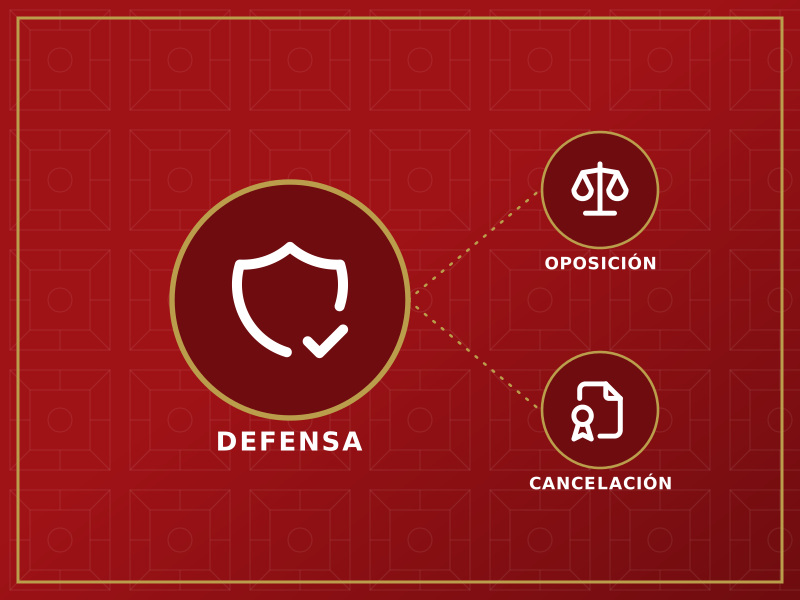
- Opposition to third-party applications during the publication period.
- Non-use cancellation and invalidation of trademarks registered in bad faith by former distributors, agents or third parties.
- Review of negative examiner decisions.
- Recordal with Chinese Customs (GACC) so that officials can detain counterfeit goods at the border.
- Trademark watch and takedown notices to infringers on e-commerce platforms.
Invention patents, utility models and designs
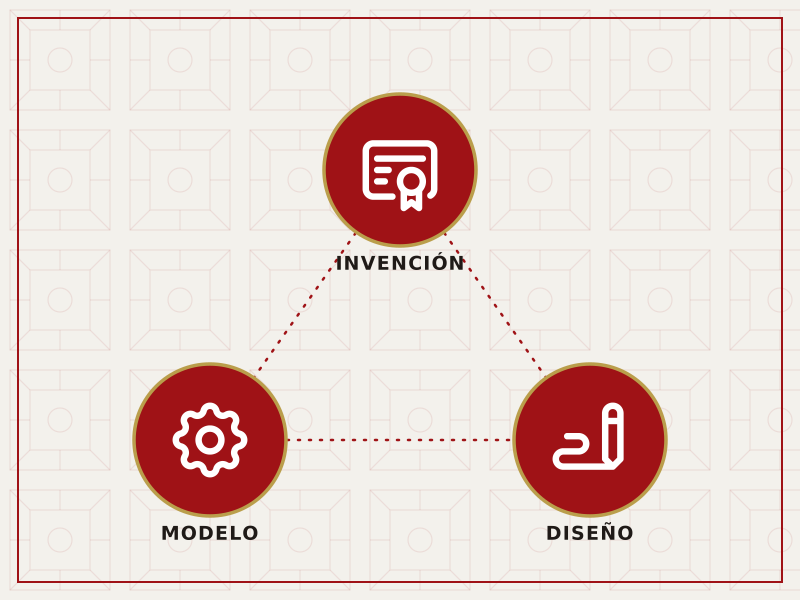
The CNIPA also handles the three types of Chinese patent:
- Invention patent: substantive examination and twenty years of protection.
- Utility model: for technical improvements in shape or structure, without substantive examination and with ten years of protection. It is fast and widely used in China.
- Industrial design: protects the appearance of the product for fifteen years since the 2021 reform of the Patent Law.
We coordinate the technical drafting and the translation into Chinese with authorised patent agents and manage the priority claim from your home or European application.
Frequently asked questions
How long does trademark registration take in China?
Without oppositions or office actions, around a year from filing: the Trademark Law sets a maximum of nine months for examination, followed by three months of publication for oppositions. The certificate is then issued.
Does my trademark registered in the EU or elsewhere protect me in China?
No. Registration is territorial. To hold rights in China you must register the trademark with the CNIPA, either directly or by designating China in an international trademark under the Madrid System.
Is it compulsory to register the trademark in Chinese characters?
It is not compulsory, but it is highly advisable. The Chinese market will use a Chinese name for your product; if you do not define and register it, someone else will. The usual practice is to register the Latin-script and the Chinese trademark in the same classes.
What can I do if someone has already registered my trademark in China?
It depends on the stage: if the application is in publication, an opposition can be filed; if it has already been granted, you can seek invalidation for bad faith or non-use cancellation after three years, and negotiate an assignment in parallel. OCCHE analyses the file and proposes the route with the best chances.
I want to register my trademark in China
Request a quote HERE